
3 Images of History
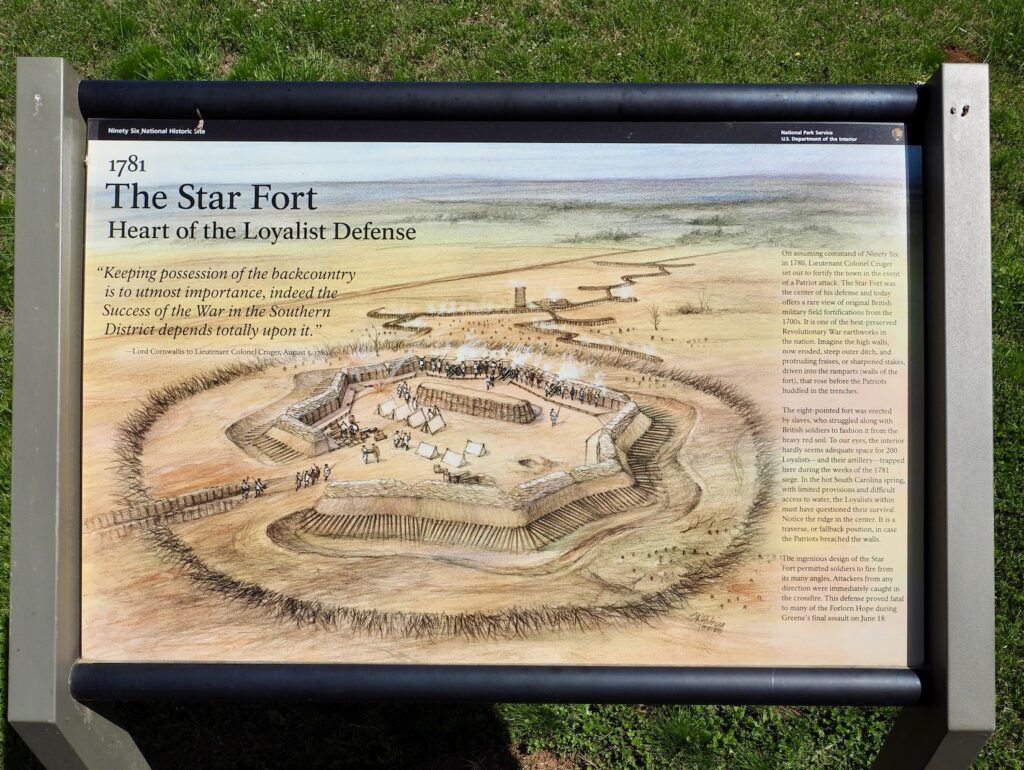
1 – Siege of Ninety Six. The fortified village of Nintey Six saw military action several times during the American Revolution from 1775 to 1781. This Star Fort became a stronghold for Loyalists and British troops in the backcountry of South Carolina. Today, the fort and environs are a National Historic Site. Ninety Six is distinctive in South Carolina history for several reasons – see more below. [photo by Bill Riski, April 2022]
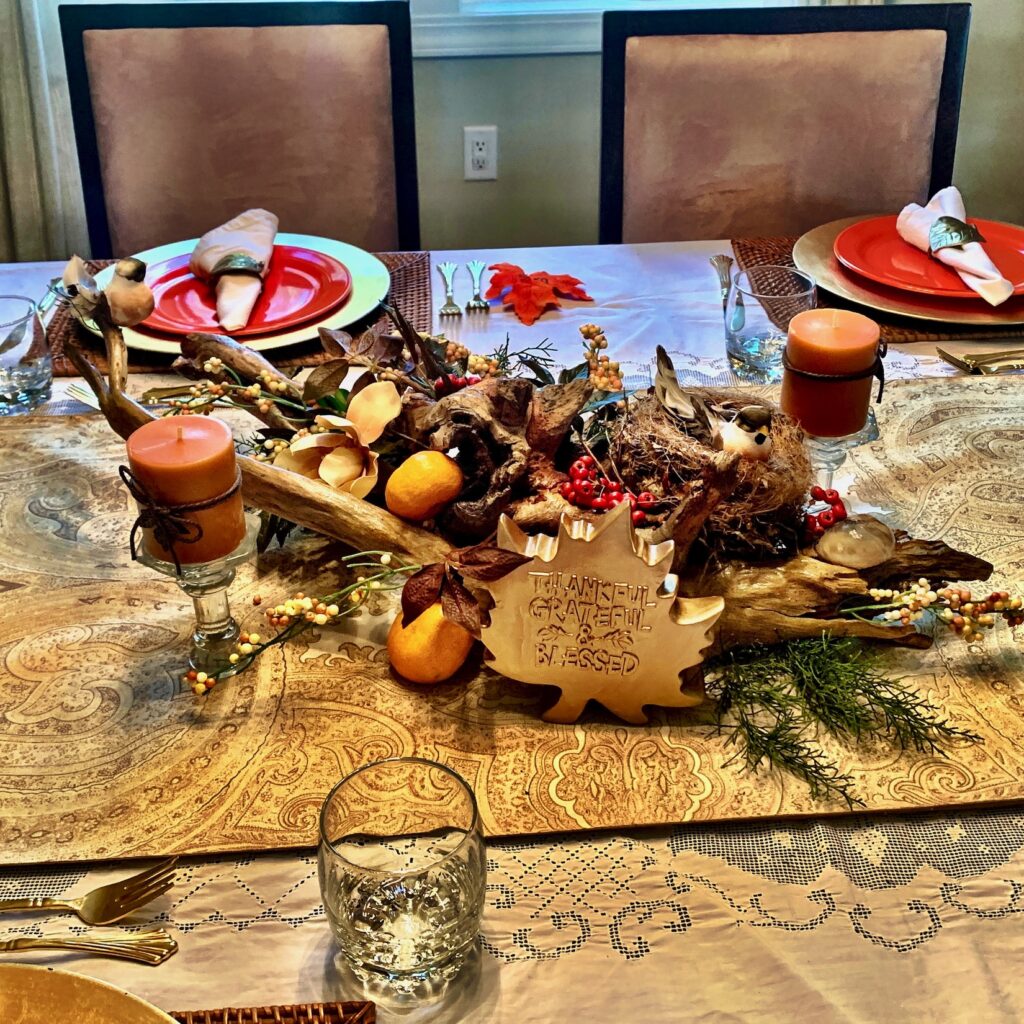
2 – Thanksgiving on Dataw Island. From a fond memory of Thanksgiving at the Apicella’s house a few years ago. [photo by Laura Riski, November 2020]
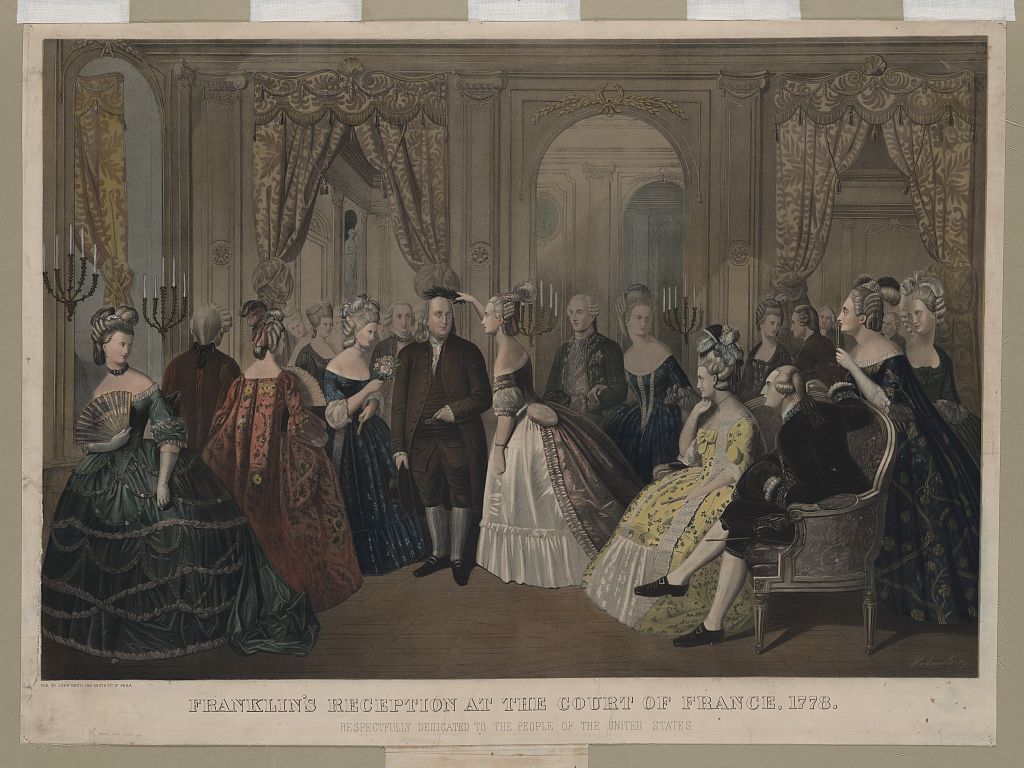
3- Benjamin Franklin, Our First Ambassador to France, 1778. Image from the Library of Congress.
2 Moments in History
November in South Carolina
The American Revolution was Hard on South Carolina
In November 1775, the Siege of Ninety-Six unfolded in Greenwood County, South Carolina, marking the first land battle of the American Revolution south of New England. The outcome was a draw, with casualties on both sides. Notably, James Birmingham became the first South Carolina Patriot to lose his life in our struggle for independence.
South Carolina endured more battles throughout the American Revolution than any of the other thirteen colonies. This was primarily a result of the British strategy to launch a Southern Campaign after facing formidable resistance from General George Washington.
After the British took control of Charleston in 1780, Ninety Six emerged once more as a battleground. British Loyalists bolstered their defenses in Ninety Six, culminating in the construction of the Star Fort visible today. In May 1781, Patriot Major General Nathanael Greene launched the war’s longest field siege at this location. Although victory did not come swiftly, the British ultimately relinquished their foothold in South Carolina’s back country – for good.
John C. Parker, Jr. (may he rest in peace) has wonderfully documented all conflicts on South Carolina soil (and waters) in his fantastic book, Parker’s Guide to the Revolutionary War in South Carolina, which lists 595 battles and skirmishes!
One wartime event occurred just three miles from Dataw Island in March of 1782 as the war was winding down. I’ll share more about the “Skirmish at Capers Creek” another time.
George Washington on Thanksgiving
From childhood, we’ve been captivated by tales of the Pilgrims and the origins of Thanksgiving. If you’d like to dive deeper into this historical narrative, feel free to contact our DHF Membership Chair, Pete Bongiovanni. Growing up in Plymouth, MA, he brings a unique perspective and even served as a docent on the replica of the Mayflower!
It was events during the American Revolution that reinvigorated the concept of a day dedicated to giving thanks. Following the Patriot victory at Saratoga in the fall of 1777, the Continental Congress suggested a day of thanksgiving, and General George Washington complied by proclaiming December 18, 1777, as the very first national day of thanksgiving.
Fast forward to 1863, when President Abraham Lincoln established Thanksgiving as an annual celebration to be held on the last Thursday of November.
1 Memory Preserved
Somebody, it seems, gave it out that I lov’d Ladies; and then every body presented me their Ladies (or the Ladies presented themselves) to be embrac’d, that is to have their Necks kiss’d. For as to kissing of Lips or Cheeks it is not the Mode here; the first is reckon’d rude, & the other may rub off the Paint. … Tis a delightful People to live with.
Benjamin Franklin
From a letter to his niece Elizabeth Partridge, Passy, France, 11 October 1779.
Sources:
https://en.wikipedia.org/wiki/Siege_of_Savage%27s_Old_Fields.
https://en.wikipedia.org/wiki/South_Carolina_in_the_American_Revolution
https://founders.archives.gov/documents/Franklin/01-30-02-0399
What question about our lowcountry history can I try to answer for you?
Send your answer to Bill Riski.