William Sams, grandson of Colonel John “Tuscarora Jack” Barnwell, was born in South Carolina on April 18, 1741. With the fall of Charleston and Beaufort during the American Revolution, William was forced to leave his home on Wadmalaw Island and purchased Dataw Island in 1783. At Dataw, he began to grow Sea Island cotton. It was cotton that made the Sams family wealthy and the Beaufort region “the exclusive home of the most exclusive few of that most exclusive aristocracy.”
Articles from this era address the period 1783 to 1865.
Dr. Lewis Reeve Sams Jr., the Etiwan, and Robert Smalls
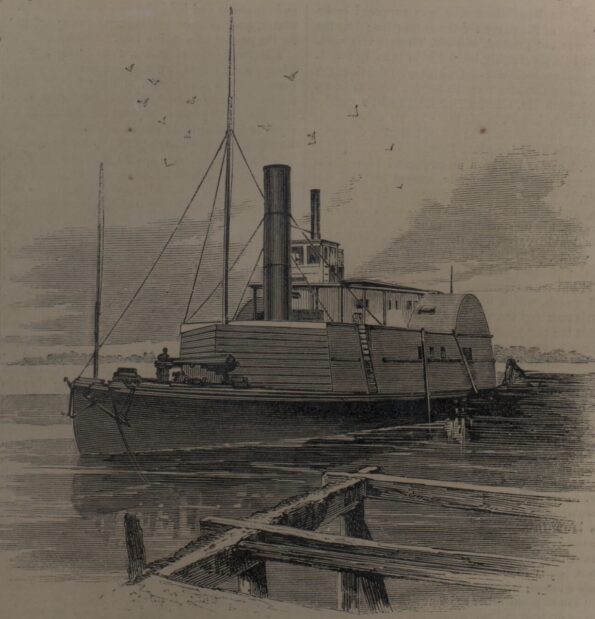
Old newspapers sometimes open unexpected doors. A brief 1851 reference in the Charleston Mercury to “Dr. Sams” traveling aboard the steamer Etiwan seems minor at first glance. Yet that small notice links three very different stories: a Sea Island planter-physician, a working harbor steamer, and one of the Civil War’s most daring acts.
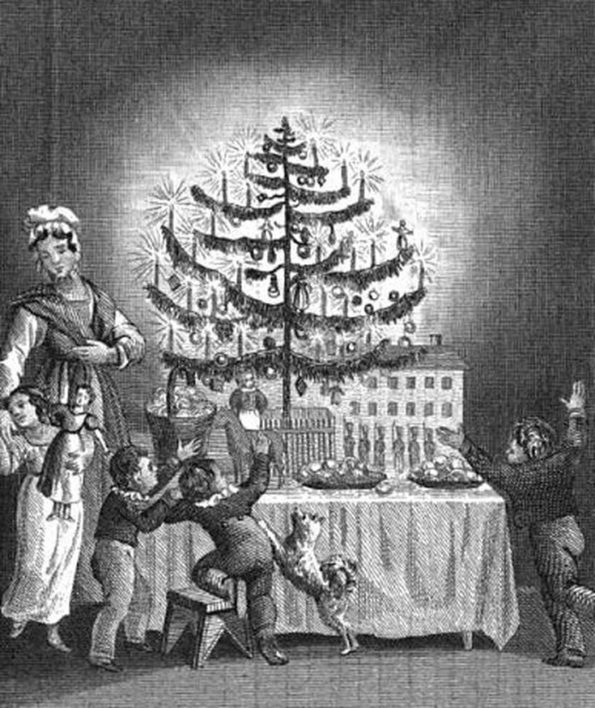
Christmas in the Lowcountry of South Carolina will be celebrated this week, as it has been for centuries. However, back in the antebellum days, the planters celebrated one way, and the enslaved in a much different way. Like the plantation system, which was imported from Britain, the Christmas traditions when the Reverend James Julius Sams (1826 – 1918) reflected on his childhood around 1835 – 1840 on Datha Island were probably more British-inspired than German. Julius begins his reflections about Christmas this way,
“Christmas was the merriest and saddest time. The merriest, because we were all together. The saddest, because the time was coming for us to part again.”
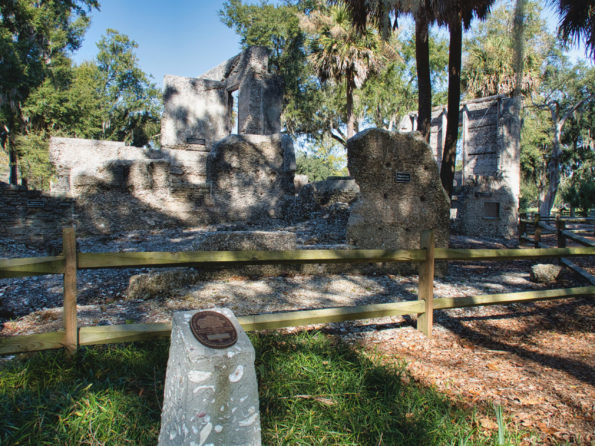
Recently, tour requests have begun to pick up. So I thought it would be a good time to introduce you to the winter home of Dr. BB Sams (1787-1855) and his family. Their tripartite house is one of several tabby structures in the Sams Plantation Complex Tabby Ruins, accepted on the National Register of Historic Places on March 4, 2011. In the antebellum period, and the sea islands of Beaufort in particular, nearly all planters had a summer home and winter home. The summer home is where they lived in the hot months to get away from their plantation(s) and the diseases associated with heat, humidity, and bugs. In summer, they went to their homes in Beaufort or St Helenaville. Summer was also the prime time of the year for socializing and for children to be tutored. In winter, the planters lived in their plantation homes. So the ruins you see today on Dataw Island are of Dr. BB Sams winter home and yard.
Historians and archeologists depend on human-made artifacts as clues to understanding and interpreting previous cultures. These historical objects give insight and lend credence to the influence of prior cultures on…
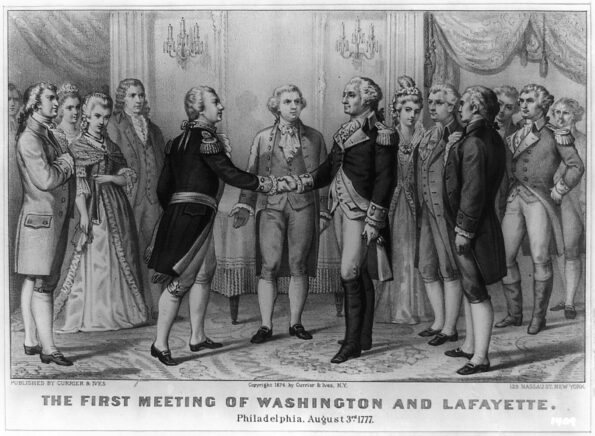
The First Meeting of Lafayette and Washington, Philadelphia, August 3, 1777
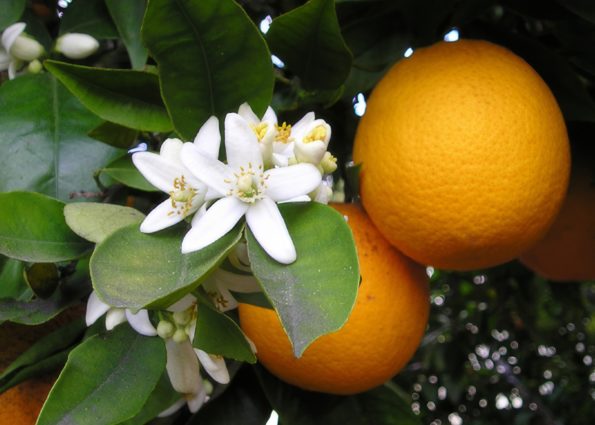
Acres of orange groves on Dataw? Was this one of the earliest commercially produced oranges in the United States?
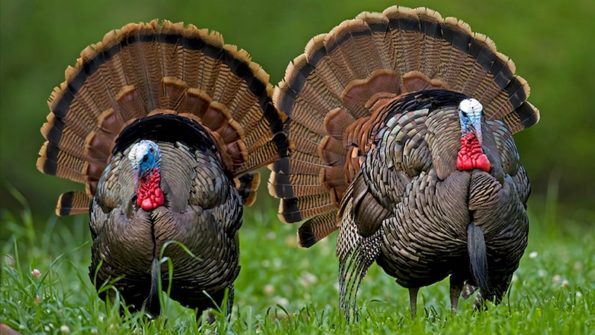
It’s fascinating to trace the wild turkey’s journey from being domesticated by Native Americans a thousand years ago to its role in the antebellum era at Elizabeth and Berners Barnwell…
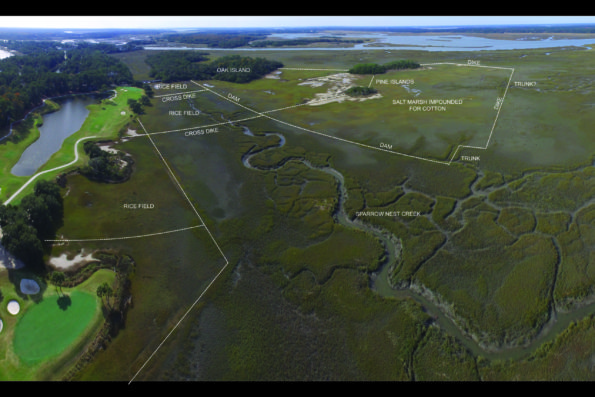
This Spring issue includes three compelling articles: one about the economic significance of Sea Island Cotton in the Lowcountry during the early 19th century and expansion attempts into the marshes,…
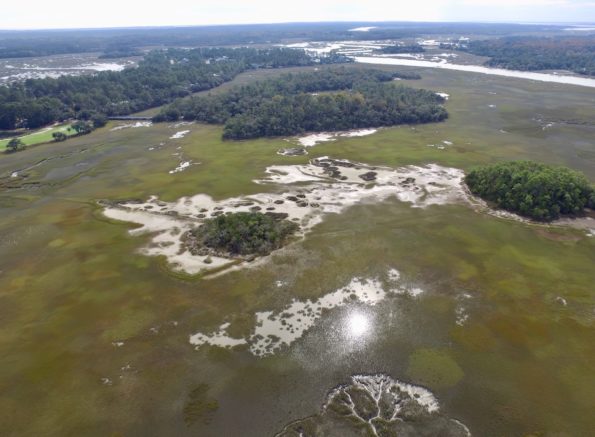
Oak Island is a 32-acre natural beauty sitting next door to Dataw Island. Native Americans frequented the island about 1,000 years ago. Fast forward 800 years to the BB Sams / LR Sams plantation era, and it was an adventure spot for James Julius Sams and his brothers Horace and Donald. As Sea Island cotton took off as the “finest in the world,” BB Sams decided to build a system of dikes between Dataw Island, Oak Island, and the two marsh hummocks to the north (i.e., Pine Islands).
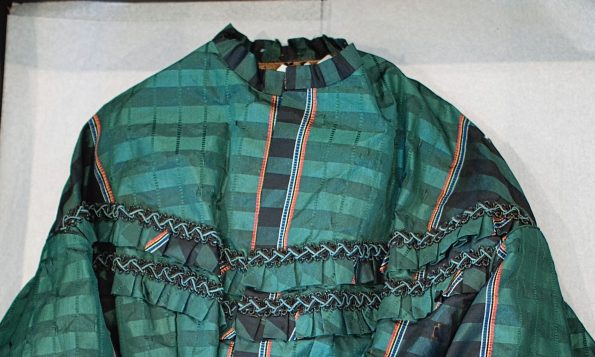
This week’s theme is HEIRLOOMS. The Dataw Historic Foundation is fortunate because the Sams descendants have entrusted us with several family heirlooms. This week features the story of two other items donated to the Foundation, a green silk taffeta Victorian gown and a shawl circa 1860. Ginny Hall-Apicella and BIll Riski recently presented the history of the dress to our Dataw Island residents.
The Event Natasha Boyd, the author of Indigo Girl, was the guest speaker at the Dataw Historic Foundation Author’s Luncheon in early April organized by Rosemary Patterson, DHF Publicity…
The Dataw Historic Foundation engaged Colin Brooker (Brooker Architectural Design Consultants) and Benjie Morillo (Frederick and Frederick Architects) to conduct a drone survey of historic features around Datha Island, particularly…